


How To Manage at Home Recovery From A Breast Augmentation
Most people think breast augmentation recovery is just about rest and ice packs. Sit still, take your meds, and wait it out. But the reality is messier than that — and if you're not prepared, you're setting yourself up for setbacks. Recovery isn't passive. It's a process that demands attention, support, and someone who knows what they're doing when you can't lift your arms or manage drains on your own.

So here's what matters. If you're planning surgery in Orange County or San Diego, you need more than a ride home and a couch. You need someone who can handle the physical tasks, track your symptoms, and keep you from doing too much too soon. Every movement counts. Every drain needs monitoring. And every decision about what you can or can't do should be grounded in what your body is telling you — not what you think you can push through.
Mobility Assistance After Surgery
Getting around after breast augmentation isn't as simple as standing up and walking to the bathroom. Your chest muscles are involved in almost every upper body movement, and for the first few days, even sitting up can feel like a workout. That's where ambulation assistance becomes critical. You'll need help getting out of bed, moving to the bathroom, and adjusting positions without straining your incisions or pulling on fresh sutures.
We've worked with patients across Orange County and San Diego who thought they'd be fine on their own — until they realized how much their arms and chest are connected to basic tasks. Rolling over in bed, standing from a seated position, even adjusting pillows — all of it requires core and upper body engagement. A trained caregiver knows how to support your weight, guide your movements, and keep you stable without putting pressure on the surgical site. That's not something a friend or family member can always do safely, especially if they're not familiar with post-surgical limitations.
Arm Movement Limits You Need to Respect
Your surgeon will tell you not to lift your arms above your shoulders. They'll say avoid reaching, pulling, or carrying anything heavier than a coffee cup. But knowing the rules and actually following them are two different things. Most patients underestimate how often they reach for things throughout the day — grabbing a towel, opening a cabinet, pulling up pants. Every one of those movements can disrupt healing or cause swelling.
- No lifting anything over five pounds for at least two weeks
- Avoid raising your arms above shoulder height to prevent implant shifting
- Don't push or pull doors, drawers, or heavy objects
- Skip any twisting or stretching motions that engage your chest
- Keep your elbows close to your body when moving
This is where having someone handle daily tasks makes all the difference. A caregiver can retrieve items, help you dress, and manage anything that requires arm extension or lifting. It's not about being helpless — it's about protecting your results and avoiding complications that could set you back weeks. We see this all the time with patients who try to do too much too soon and end up with increased swelling, pain, or worse.
Pain Management That Actually Works
Pain after breast augmentation isn't constant, but it's unpredictable. You might feel fine one hour and then hit a wall the next. Medication schedules matter. If you wait until the pain is unbearable to take your next dose, you're already behind. A caregiver trained in medication and wellness monitoring can track your doses, watch for side effects, and make sure you're staying ahead of discomfort without overusing prescriptions.
Beyond pills, there's positioning. Sleeping elevated, using the right pillows, and avoiding movements that trigger sharp pain — all of that requires constant adjustment. We help patients in San Diego and Orange County set up their recovery space before surgery so everything they need is within reach. Ice packs, water, medications, and a call button if they need help. It's not glamorous, but it works. And when pain is managed well, recovery moves faster.
Drain Care That Can't Be Ignored
If your surgeon places drains, you're responsible for emptying them, measuring output, and watching for signs of infection. That's a lot to handle when you're exhausted, medicated, and dealing with limited mobility. Drains need to be checked multiple times a day. The fluid has to be measured and recorded. The insertion sites need to stay clean and dry. Miss any of that, and you're risking infection or fluid buildup that could require additional procedures.
- Empty drains at least twice a day or as directed by your surgeon
- Record the amount and color of fluid each time
- Keep the drain sites clean and covered with sterile dressing
- Watch for redness, swelling, or unusual odor around the insertion points
- Secure drains to your clothing to prevent tugging or accidental removal
We've supported patients through drain care in both personal care and nutrition assistance settings, and the difference between managed care and DIY is obvious. When someone else is handling the technical tasks, you can focus on resting and healing. When you're trying to do it yourself while half-asleep and in pain, mistakes happen. And those mistakes can cost you time, money, and peace of mind.
Daily Activity Help You Didn't Know You'd Need
Showering, getting dressed, preparing meals — these aren't complicated tasks until you can't lift your arms or bend forward. Breast augmentation recovery means rethinking how you do everything. You'll need help washing your hair, putting on a surgical bra, and even getting food ready. Most patients don't realize how much they rely on upper body strength until it's temporarily gone.
A caregiver can handle all of that without making you feel dependent. They're there to assist, not take over. Whether it's helping you into clean clothes, preparing soft foods that won't upset your stomach, or just making sure you're drinking enough water, the support is practical and necessary. We work with patients across Orange County and San Diego who want to recover at home but need someone who knows what they're doing. That's what we provide — skilled, compassionate care that keeps recovery on track.
Follow Up Appointment Transport You Can Count On
Your surgeon will want to see you within the first week after surgery. Maybe sooner if there are drains to remove or concerns about healing. Getting to those appointments isn't optional, but driving yourself isn't safe. Pain meds, limited mobility, and post-surgical fatigue make getting behind the wheel a bad idea. You need reliable transportation that doesn't depend on whether a friend is available or if rideshare drivers are comfortable with medical passengers.
- Schedule transport in advance so you're not scrambling last minute
- Make sure your driver knows how to help you in and out of the car safely
- Bring your medication log and any questions for your surgeon
- Plan for extra time in case you need help getting dressed or moving slowly
- Have someone with you who can take notes during the appointment
We've taken patients to follow-up appointments throughout San Diego and Orange County, and the peace of mind it provides is worth it. You're not worrying about parking, walking long distances, or trying to remember everything the surgeon said while you're still foggy from meds. Someone else handles the logistics so you can focus on healing. That's the kind of support that makes recovery smoother and less stressful.
Get Professional Recovery Support in San Diego and Orange County
Breast augmentation recovery isn't something you should wing. The patients who do best are the ones who plan ahead, ask for help, and don't try to tough it out alone. Whether you need someone for a few days or a full week, having trained support makes all the difference. At My Lending Hands, we've helped hundreds of patients recover safely at home with the kind of care that keeps complications at bay and results on track. If you're planning surgery and want to know what real recovery support looks like, we'll walk you through it. Call 949-278-8950 or request a free consultation to talk through your needs and get a plan in place before your procedure.
‹ Back
Recent Posts
-
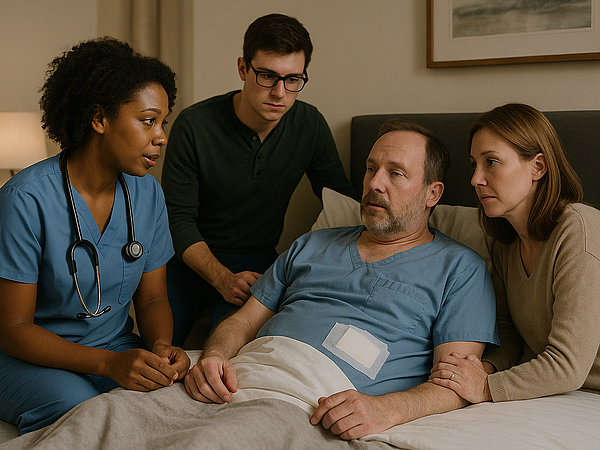
How Aftercare Support Helps Patients Heal and Families Adjust
January 7, 2026
-

What To Expect During Breast Lift Recovery At Home
December 17, 2025
-

How To Manage at Home Recovery From A Breast Augmentation
December 3, 2025
-

What Support Is Needed After A Tummy Tuck Surgery?
November 5, 2025
-
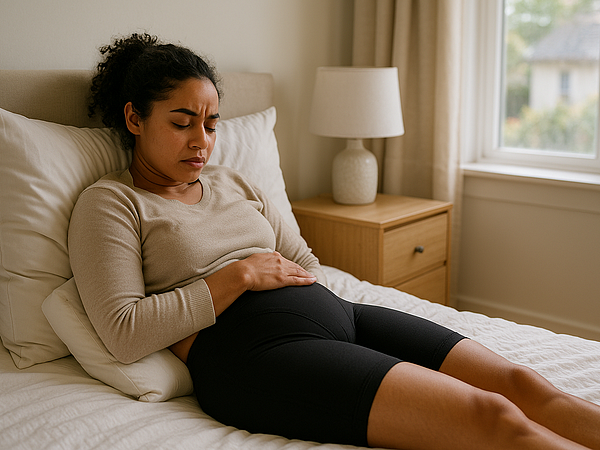
How Long Is Recovery After A Brazilian Butt Lift in San Diego?
October 22, 2025